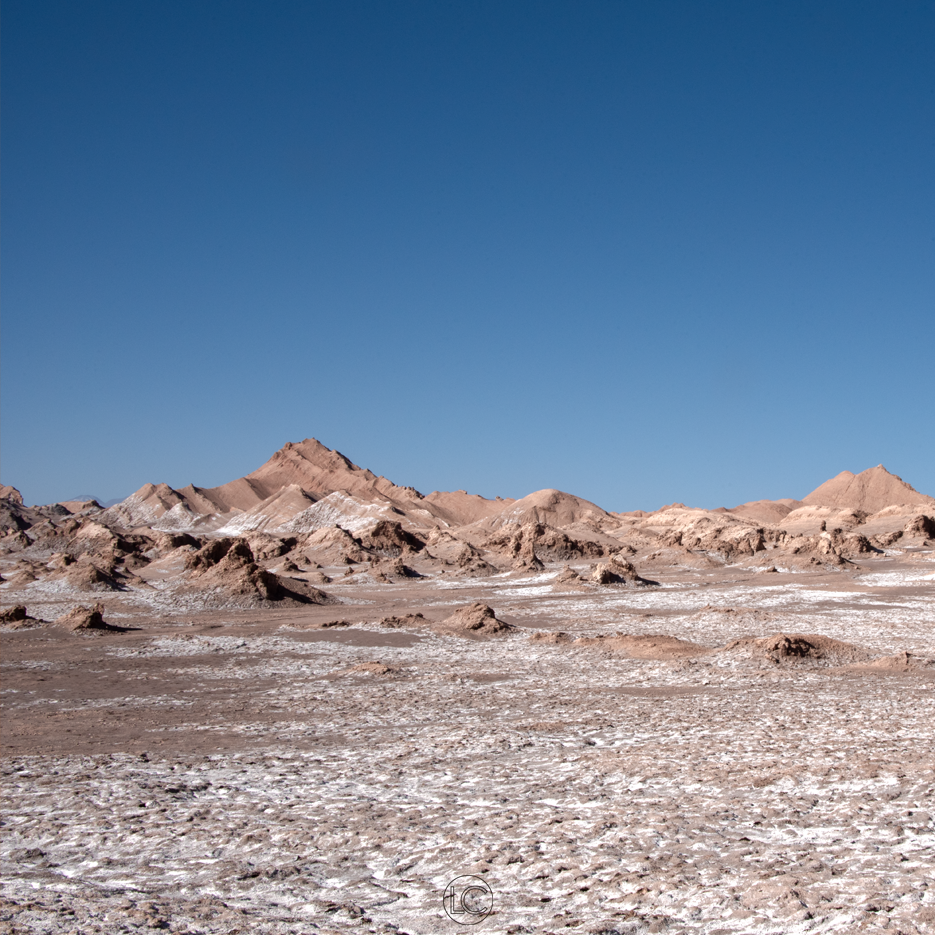
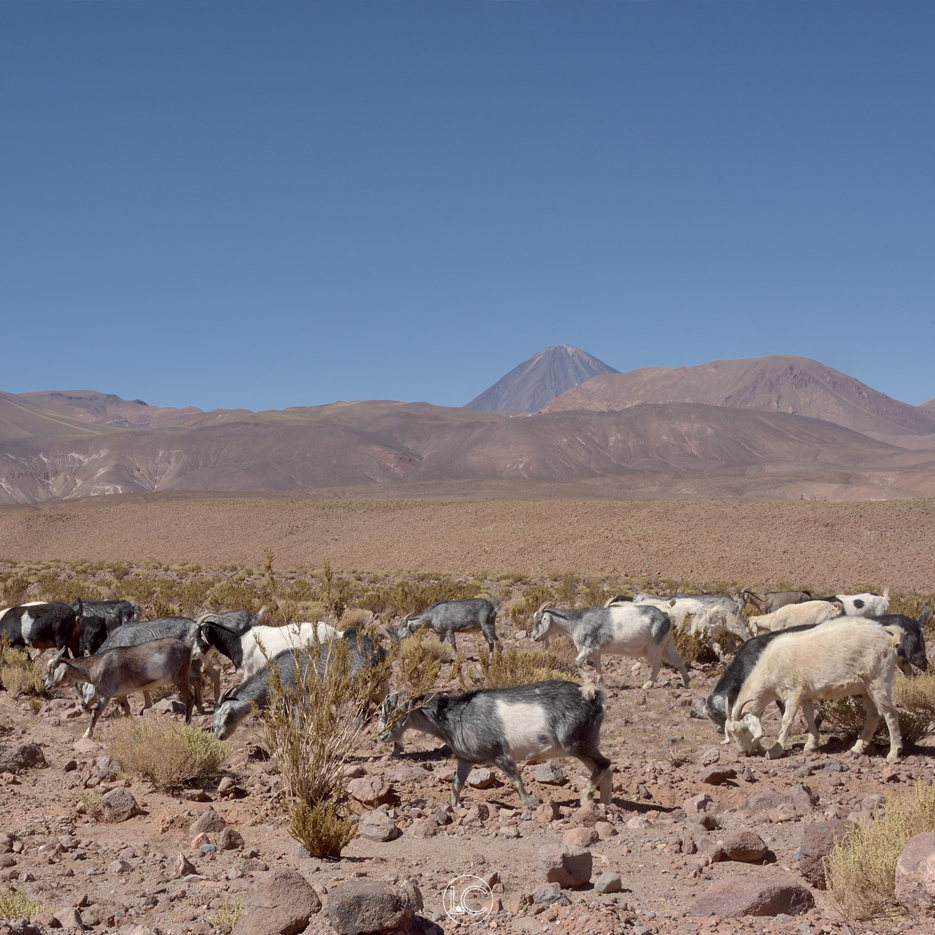
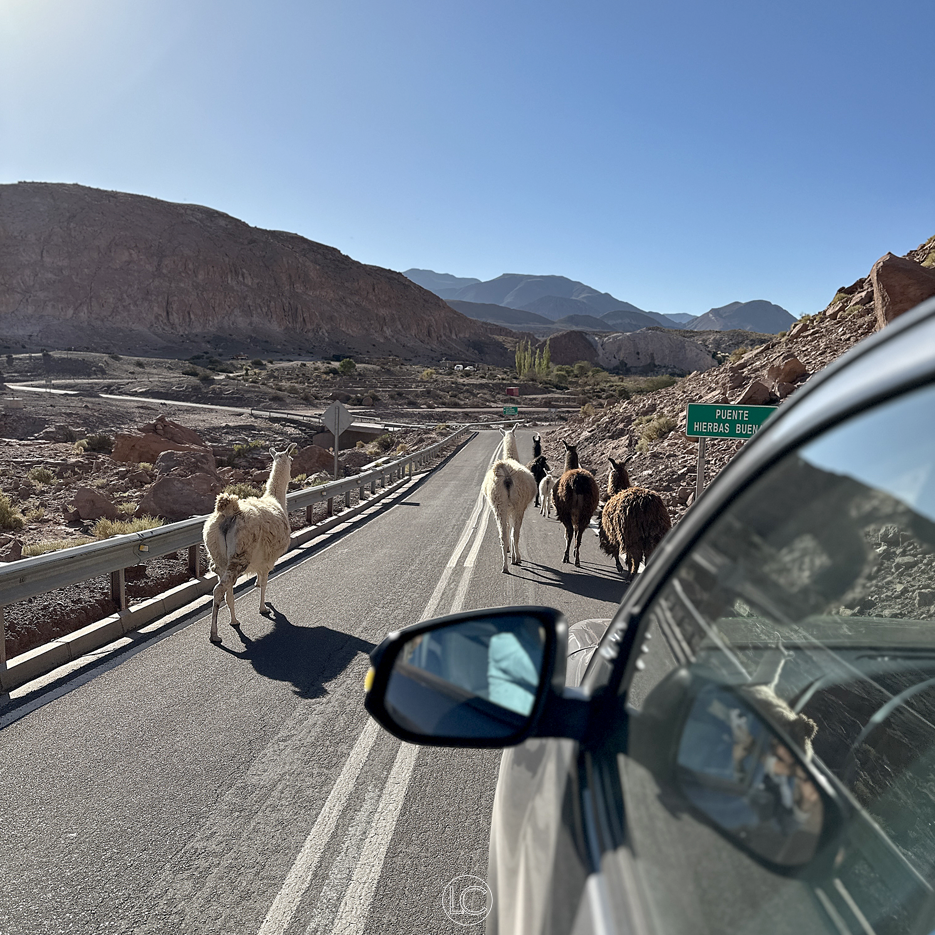
The first thing you notice landing in Calama is the incredible dryness. On the road to the desert oasis of San Pedro, the jumping off point to the Atacama Desert in northern Chile, the landscape registers few signs of life — dry riverbeds, copper colored hills, and even an entire mountain range made from compressed salt. By the time you arrive, your body cannot hide from the 5% relative humidity and the altitude. Thirst seems unquenchable and the 8,200 feet above sea level makes your head swim during those first hours as you acclimate.
The remoteness and martian desert-scape is part of the draw. As one of highest and driest places on earth, with the clearest skies, many astronomers come from around the world to peer deep into the cosmos at the nearby ALMA (Atacama Large Millimeter Array).
I am not here though to study the stars, not scientifically at least. I am hosting a wine group from Texas to start a ten day adventure from the Atacama over the Andes into Jujuy and Salta in Argentina. Wine, and nature, are the common language.
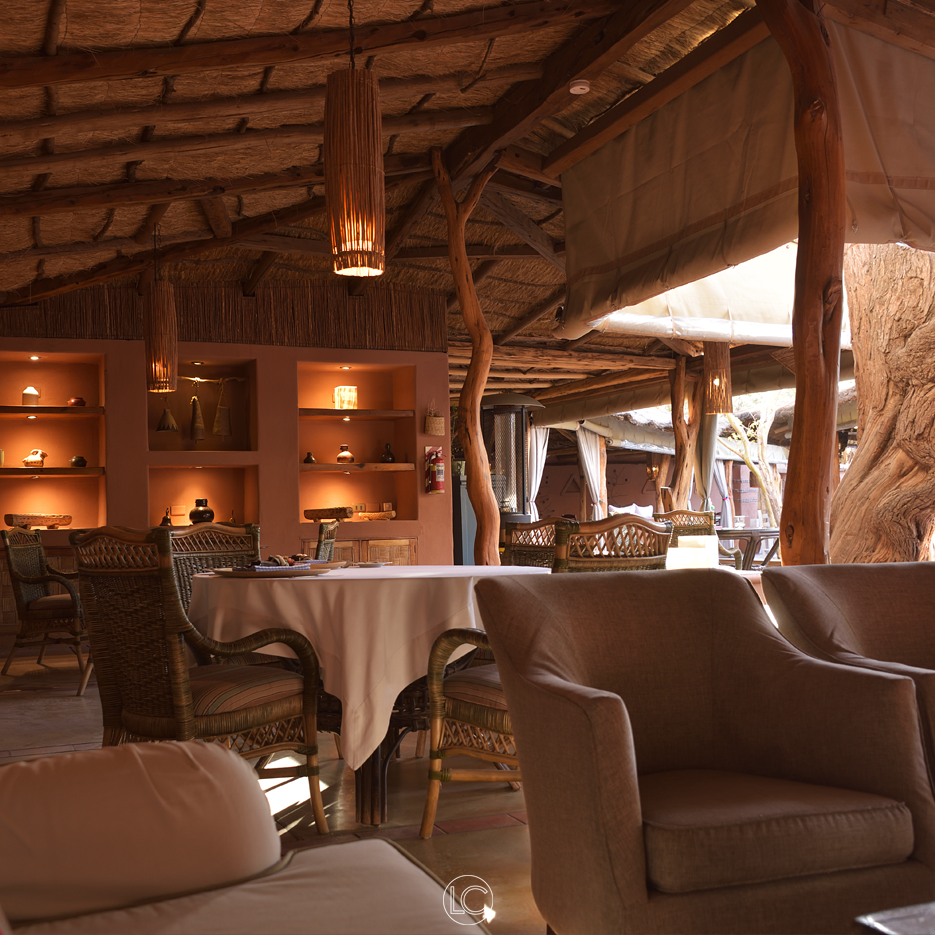
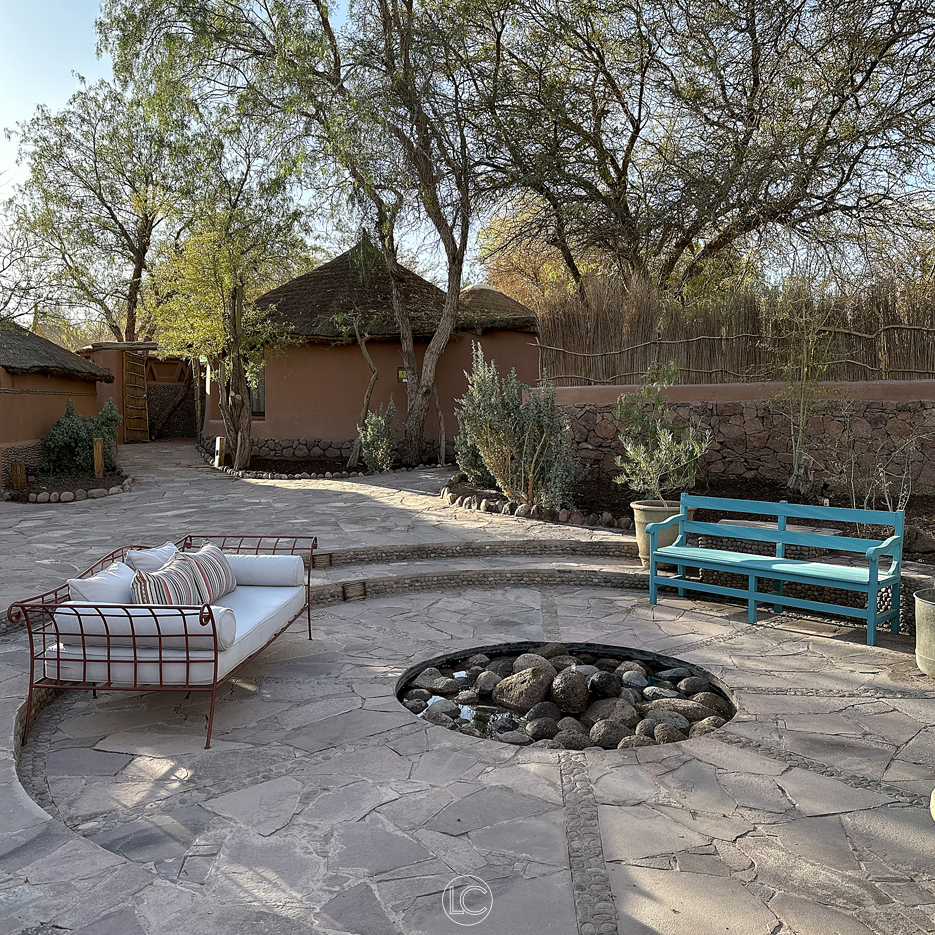
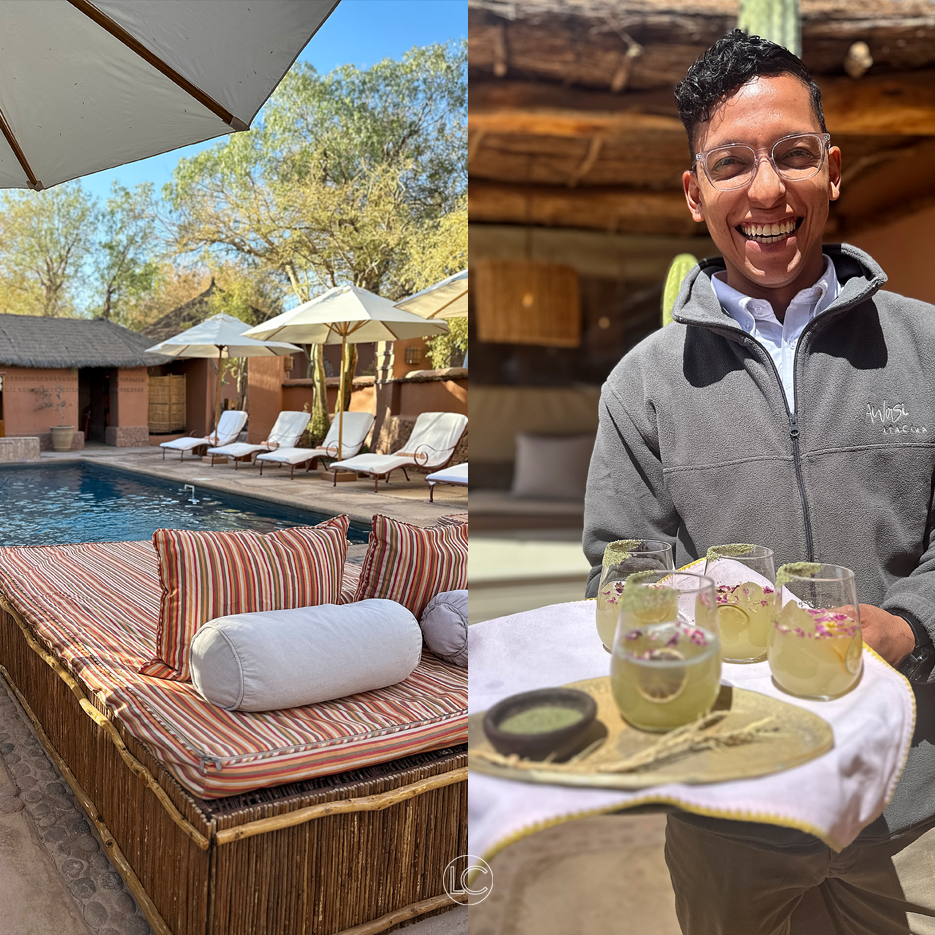
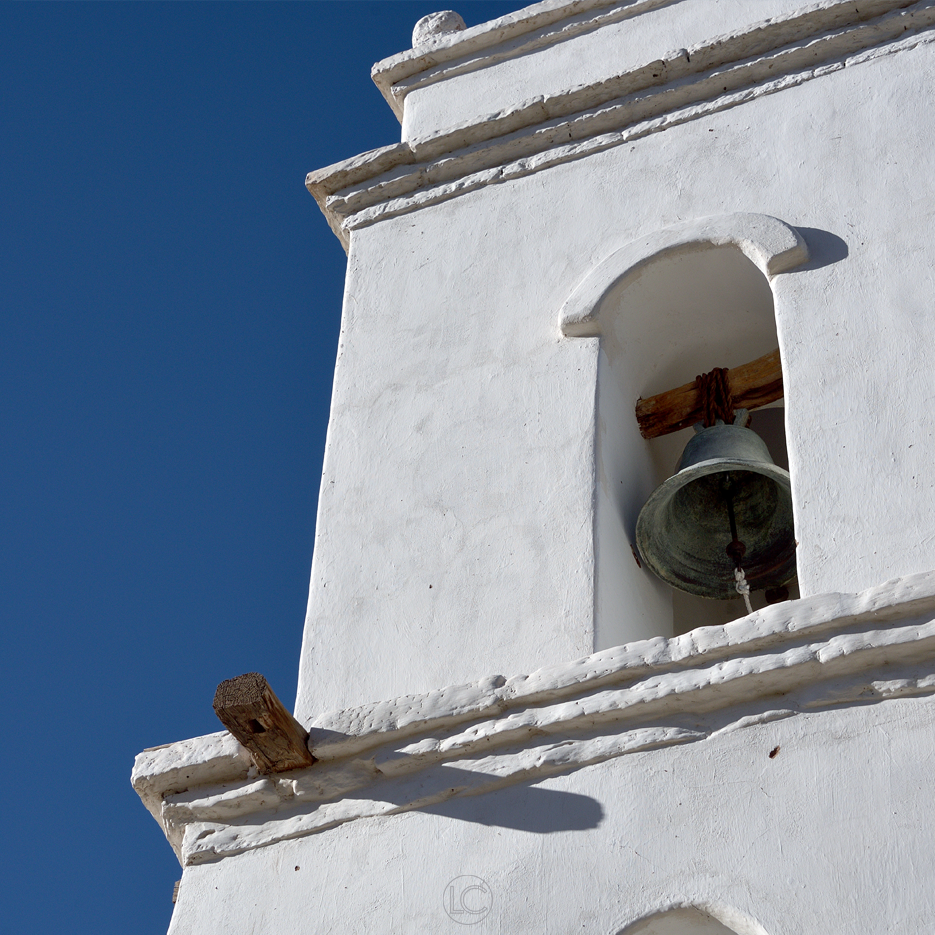
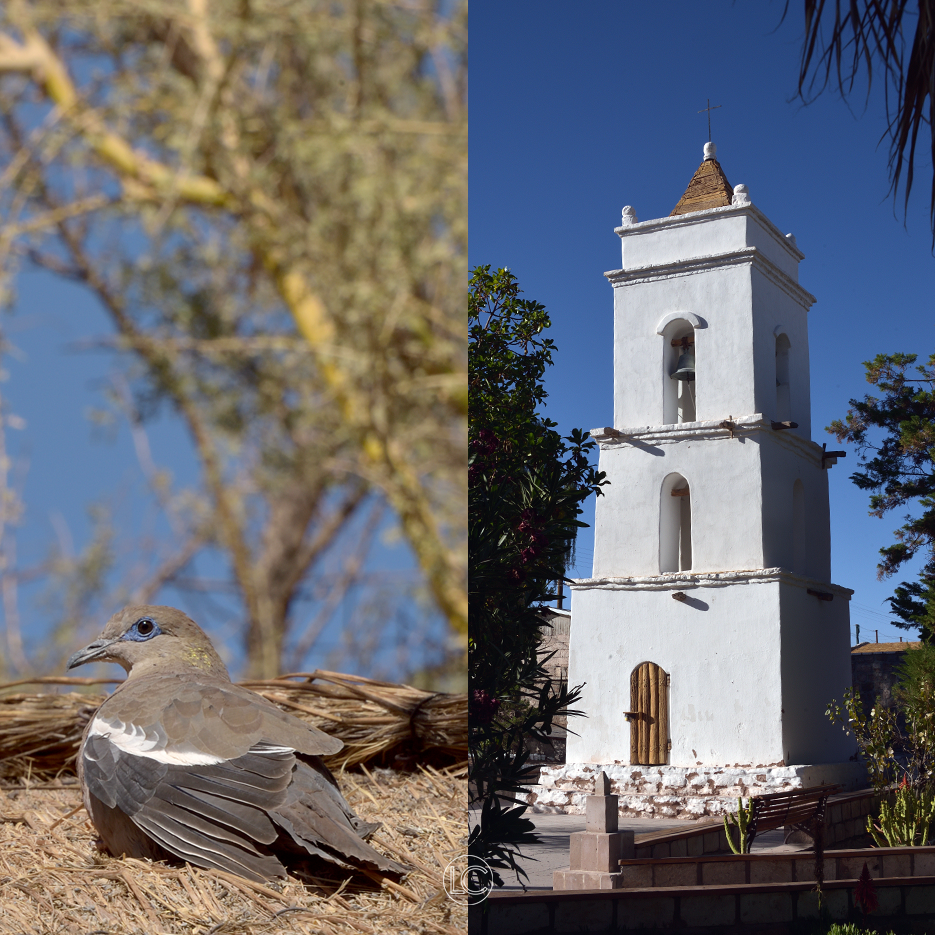
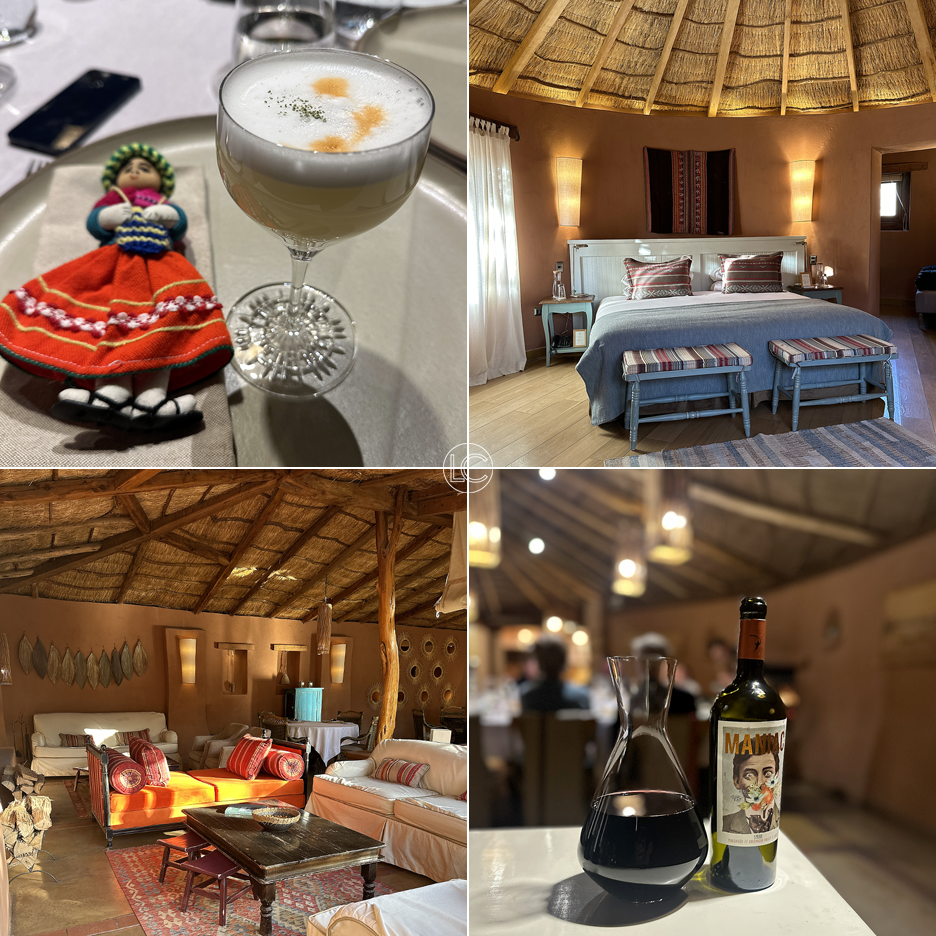
Our home base is Awasi Atacama, a luxury lodge within walking distance of San Pedro’s main square and the pretty 17th century whitewashed iglesia with its cactus-wood doors. Yet with its high adobe walls, you almost don’t know the hotel is there at all. Inspired by Tulor, one of the oldest archaeological settlements in the Atacama, it feels like a hidden village. The twelve villas are earthen buildings with weathered woods, native stone, paja brava thatched roofs, and the pathways around the property are shaded by algarrobo and chañar trees with the murmur of running water through the irrigation channels.
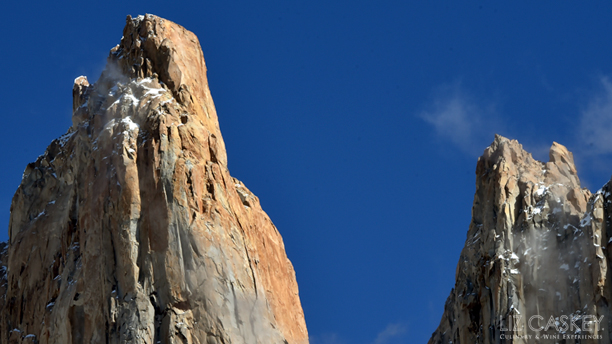
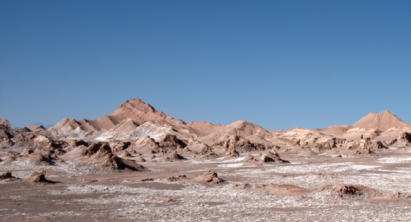
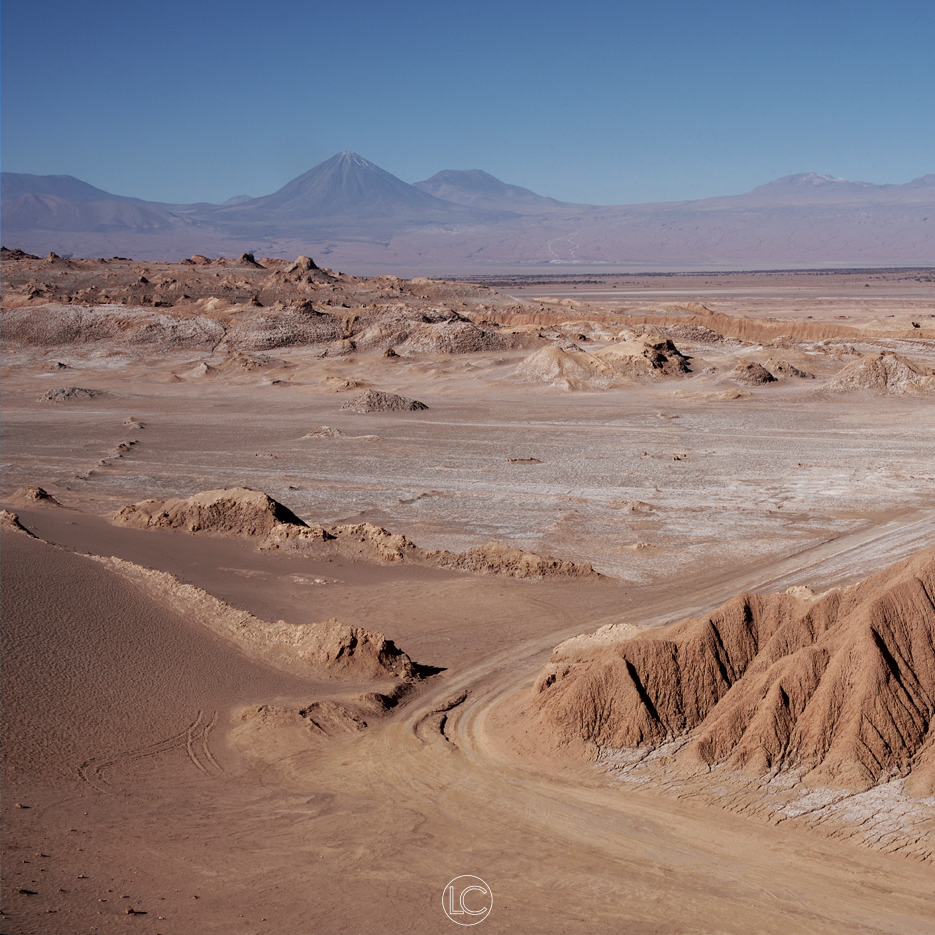
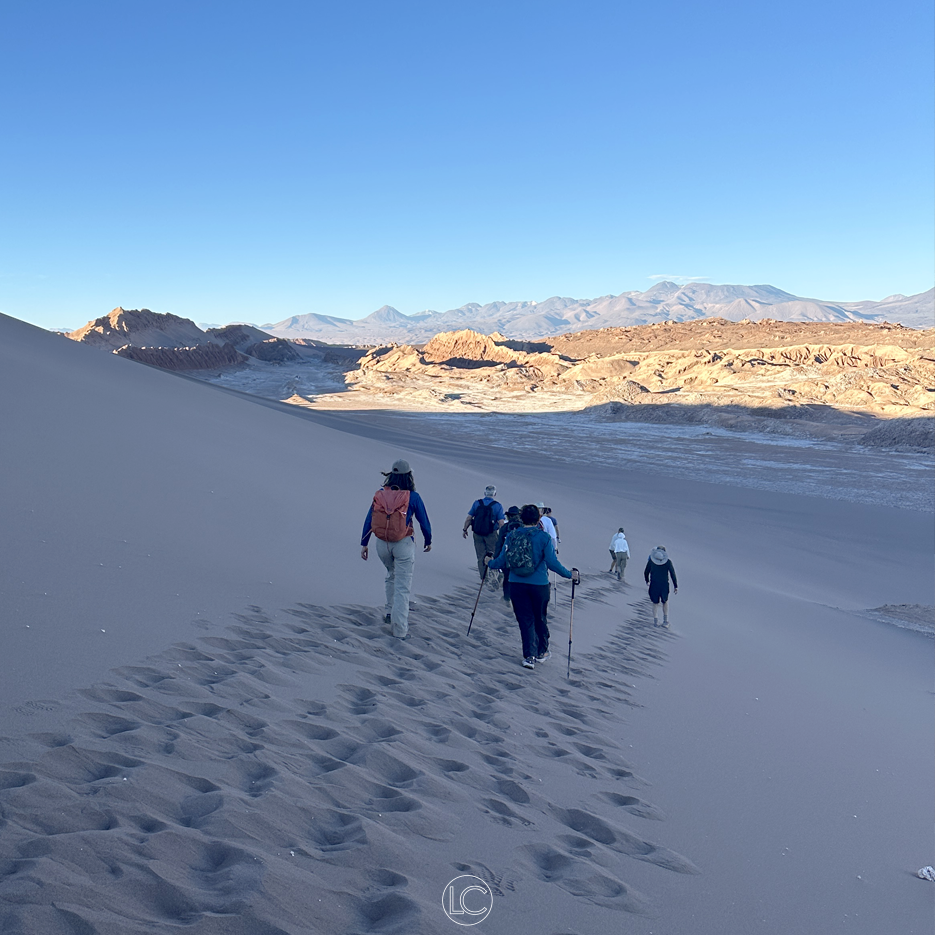
After settling in and lunch, we set out towards the Cordillera de la Sal — a mountain range formed entirely from tectonic uplift, layers of red sediment and compressed white salt rising out of the Salar de Atacama basin. As we turned off the road, there was not a single sign of life. The vast emptiness between the ridges felt like a real life Tatooine.
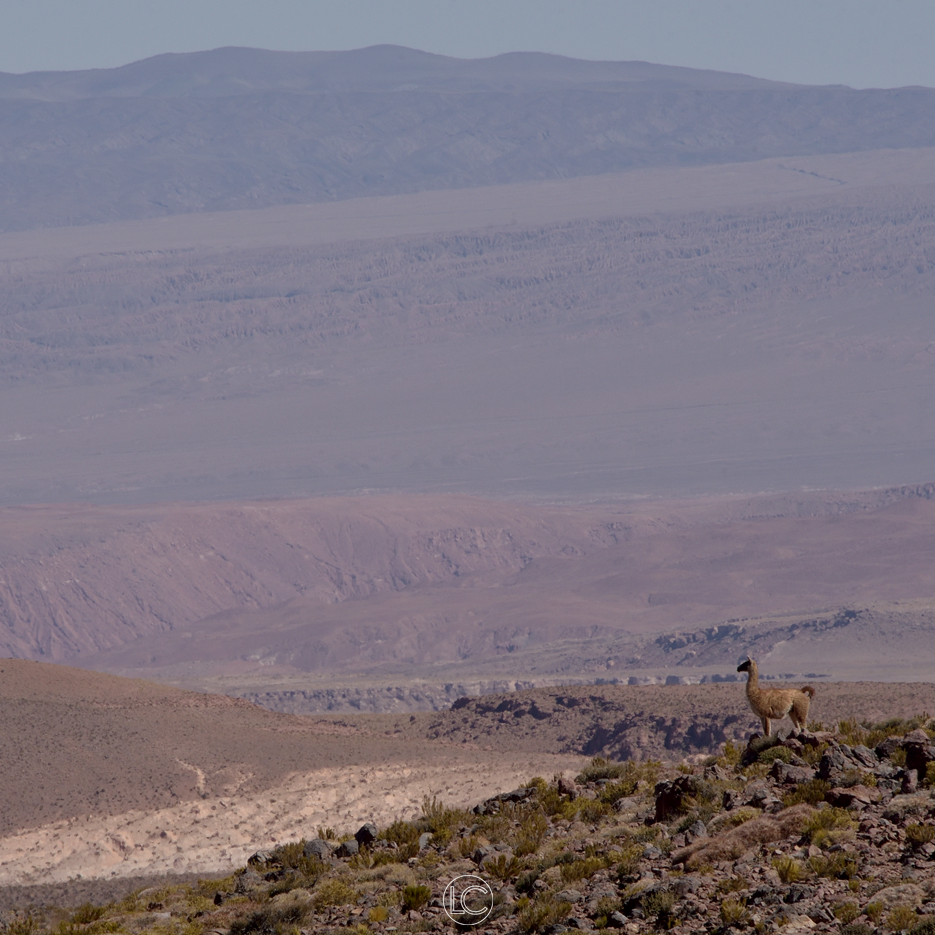
The hike started with a quick ascent, enough to get your heart rate going, to the top of a salt-crusted ridge with views of the valley of San Pedro, the salt mountains, the volcanoes — Licancabur, Juriques, and Láscar — and the desert as it rises to the altiplano.
Each villa has its own private guide and driver, so even when the group is traveling together as a caravan, all the guides and drivers go. This group were all accomplished hikers so I let them take the lead and hung back with my guide Leo. After breaking my ankle earlier in the year, despite being healed, this was my first real trekking and my footing still felt wobbly (along with my confidence).
As we moved out along the highest, narrowest, and most rocky part with a steep drop to either side, the loose gravel made me apprehensive. Leo pulled out the trekking poles and pointed out where to step — at times giving me his hand to make sure I was steady. One of the guests had waited for me at the top of the huge sand down and we descended together. I made it!
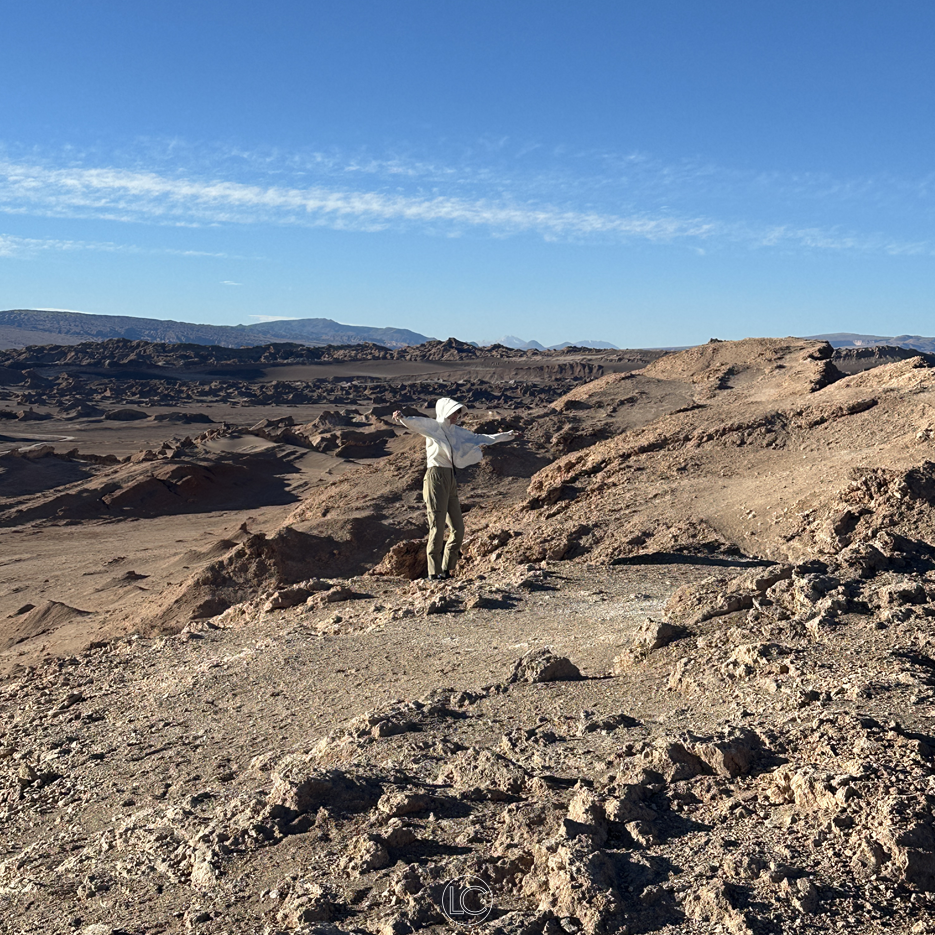
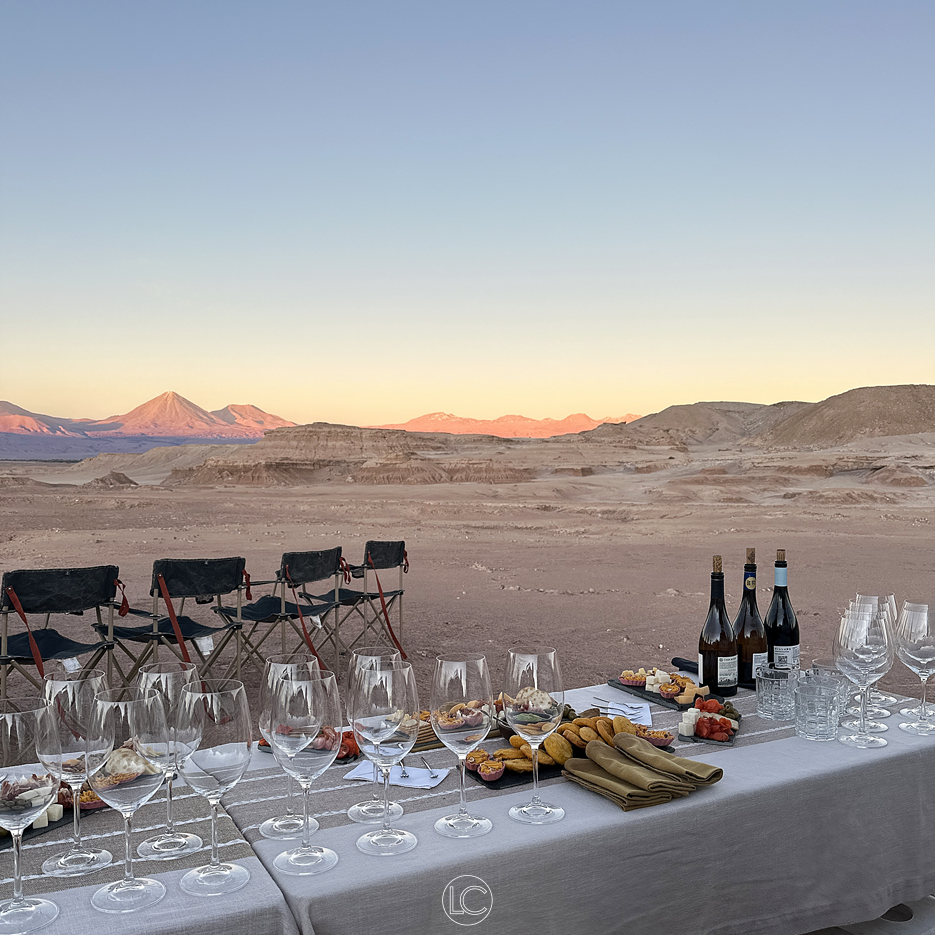
We caravaned offroad to a sheltered clearing with a sprawling view of the desert where the Awasi team had staged a spectacular sundowner — plates of cheeses, charcuterie, and tapas alongside wines from the Limarí Valley, a limestone-rich coastal desert to the south, making some of the most exciting wines in Chile. The sommelier, Rommy, poured one of my favorite Chilean sparklers, Tatie, made in partnership with Thiénot from Chardonnay and Pinot Noir with a saline, mineral edge.
The sun continued to drop and the volcanoes turned amber, fuchsia, and magenta. The cold crept in and people started piling on layers — wool hats, jackets, and refilling their wine to keep warm. The Atacama holds almost no humidity, so the second the sunlight disappears, the temperature plummets. Feeling giddy, and maybe a little of the champagne effect, we huddled together for group photos to remember this moment when the Atacama welcomed us in all her grandeur.
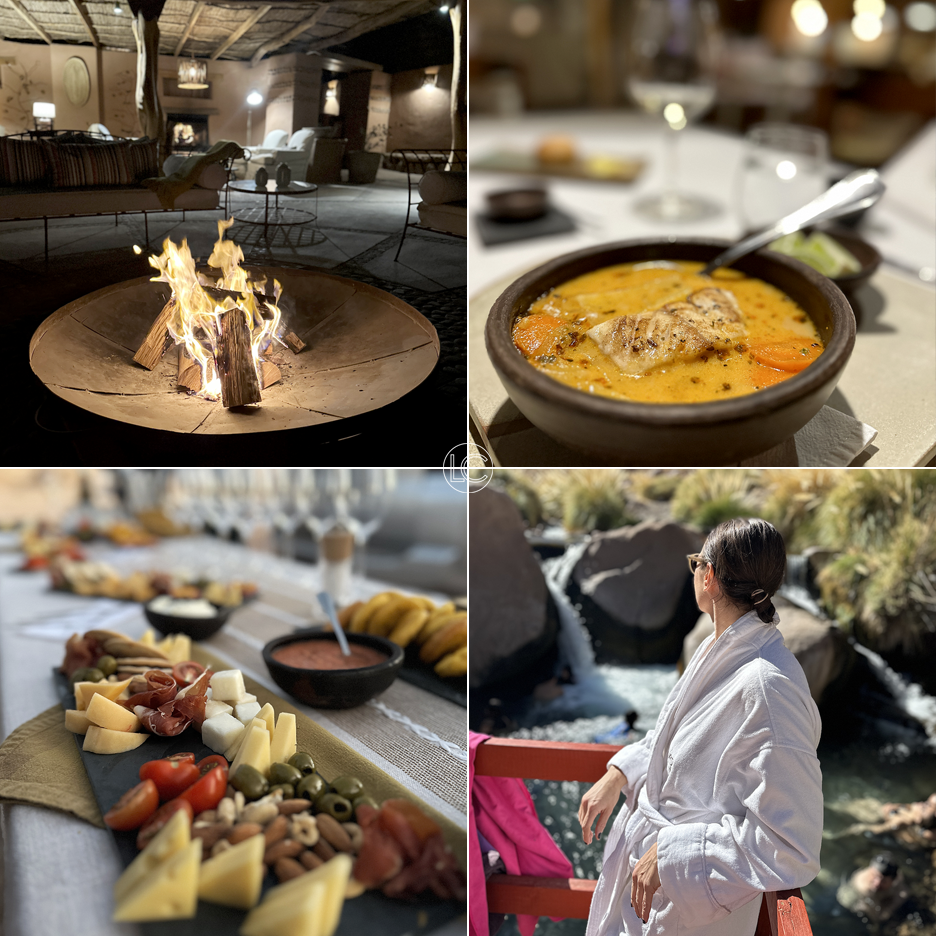
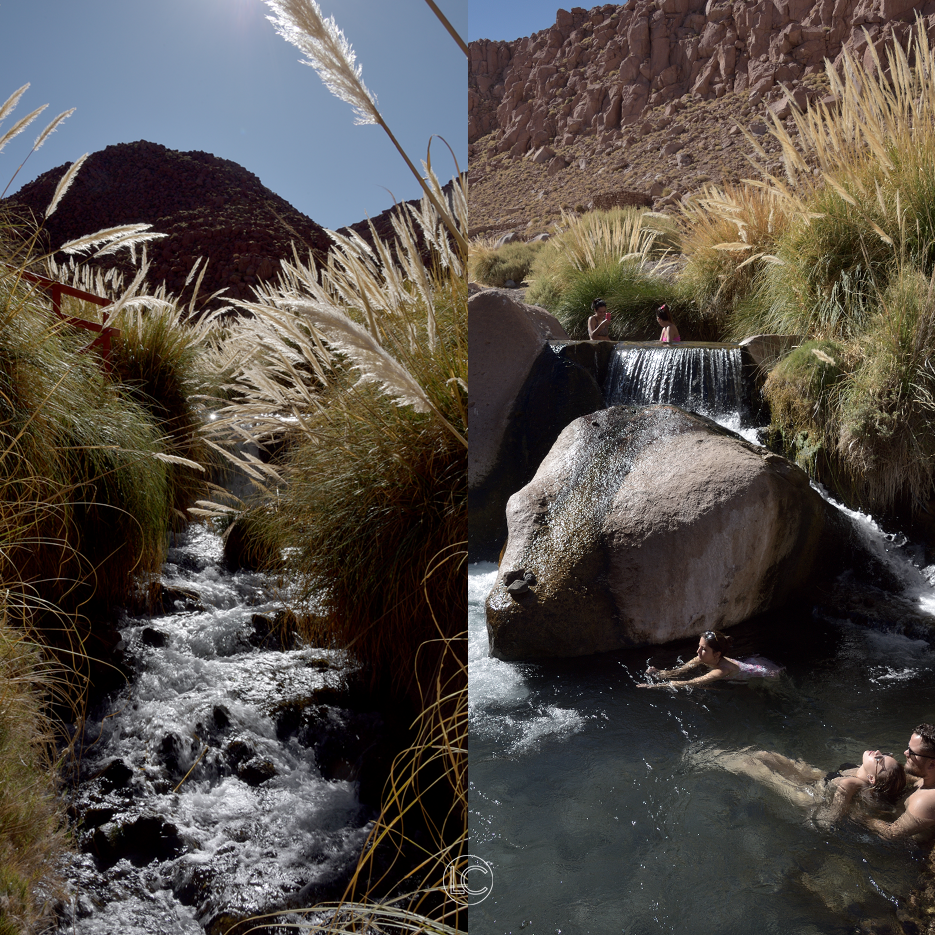
The next day after breakfast, we were up early to hike part of the Guatin Canyon to arrive at the Puritama hot springs. Set within a narrow desert canyon at nearly 11,400 feet above sea level, the eight cascading thermal pools wind through golden grasses, volcanic rock and giant cardón cacti. We changed into our bathing suits and eased into the steaming, warm, mineral-rich water. The pools varied in temperature — some had waterfalls, others were more like swimming holes. By the time my fingers looked like shriveled raisins, the zonda — a fierce wind that sweeps down from the Andes in spring — had picked up.
As I hoisted myself out of the pool, the biting cold wind made me shiver. I wrapped myself in the plush bathrobe and ran to the next pool. When I was finally ready to get out for good, our guides had prepared warm maté de coca (coca tea) along with healthy nibbles, perfect to acclimate to the higher altitude.
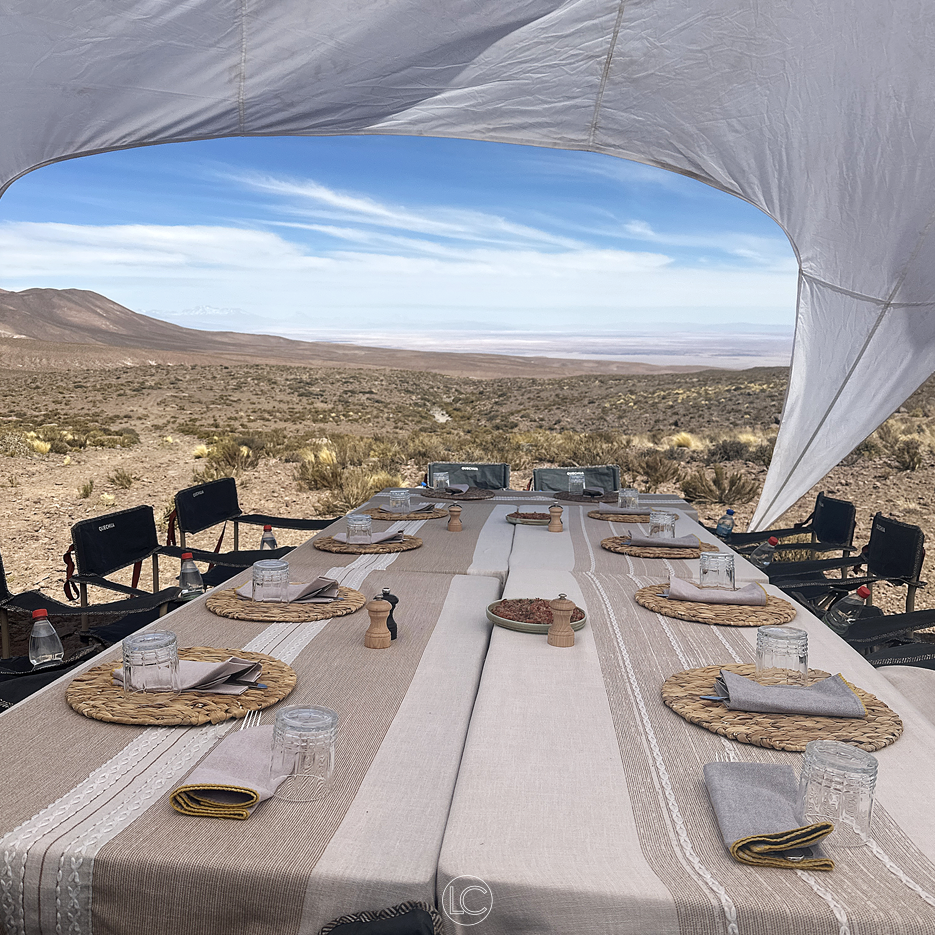
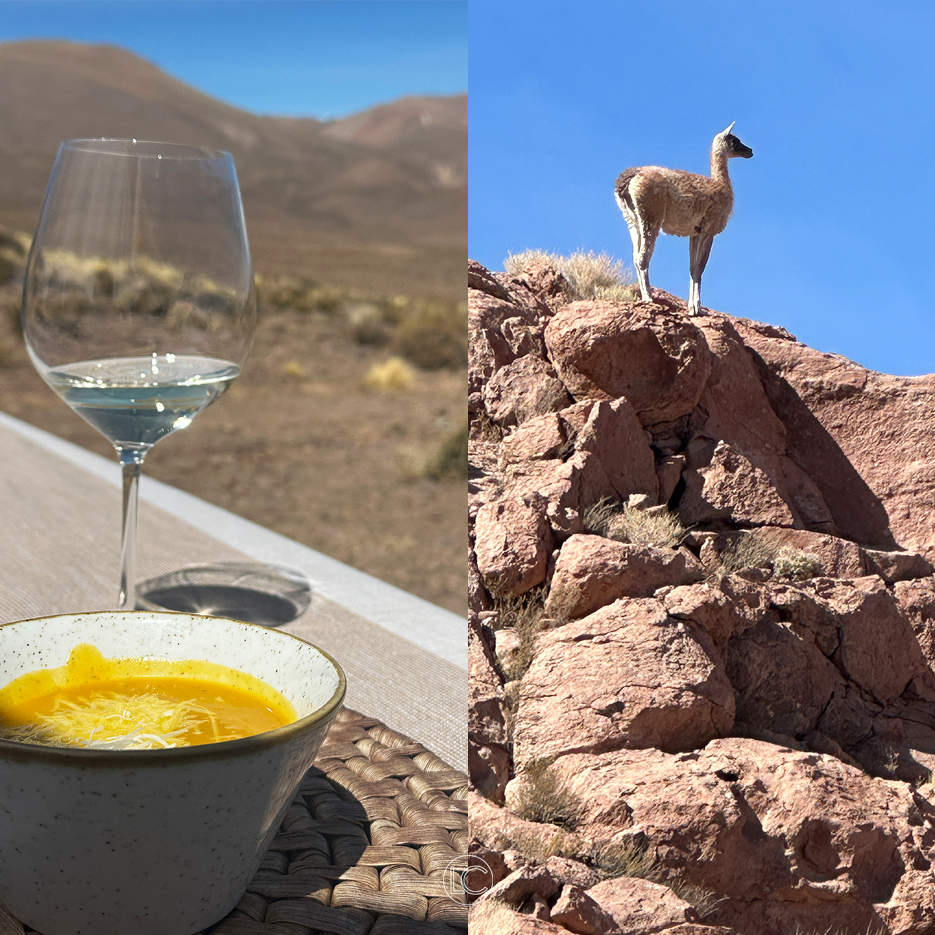
Lunch was further up the road in a special place we had scouted at near-altiplanic altitude. Perched in a natural reserve, the excursions team had set up a carpa, tent, looking down over San Pedro, the Gran Salar de Atacama, the volcanoes and beyond. But the zonda had only intensified. We were tasting wines from MOVI, a collective of independent Chilean wine producers I had selected for lunch, when a particularly strong ráfaga, gust, nearly blew the tent away. The waitstaff quickly became tent holders in between serving steaming pumpkin soup and roast beef with quinoa. Despite being bundled up and slightly windblown, nobody wanted to leave. The beauty and wildness of the setting was part of the adventure.
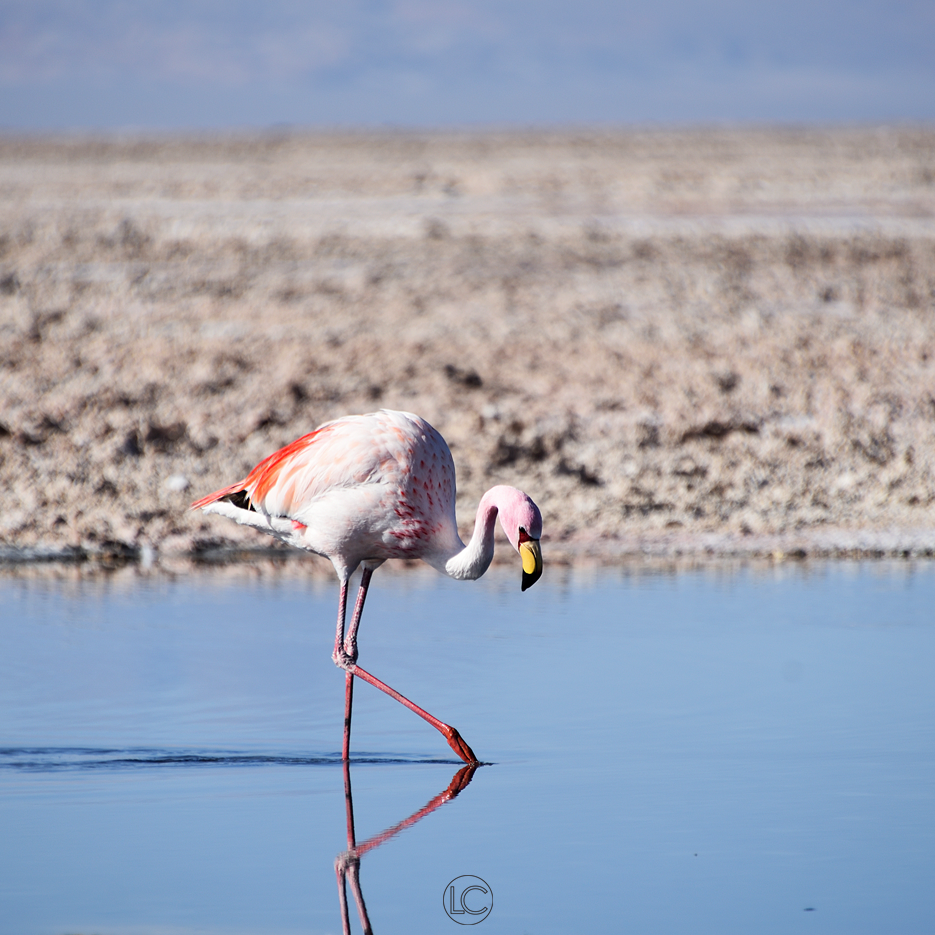
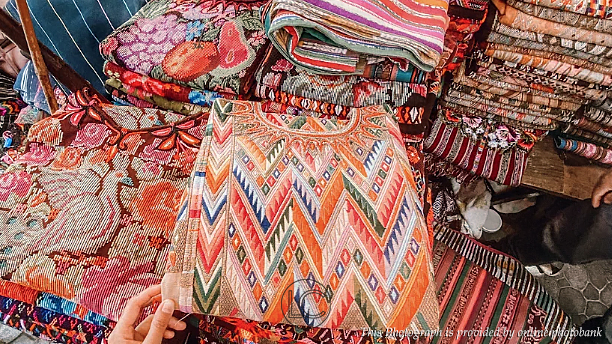
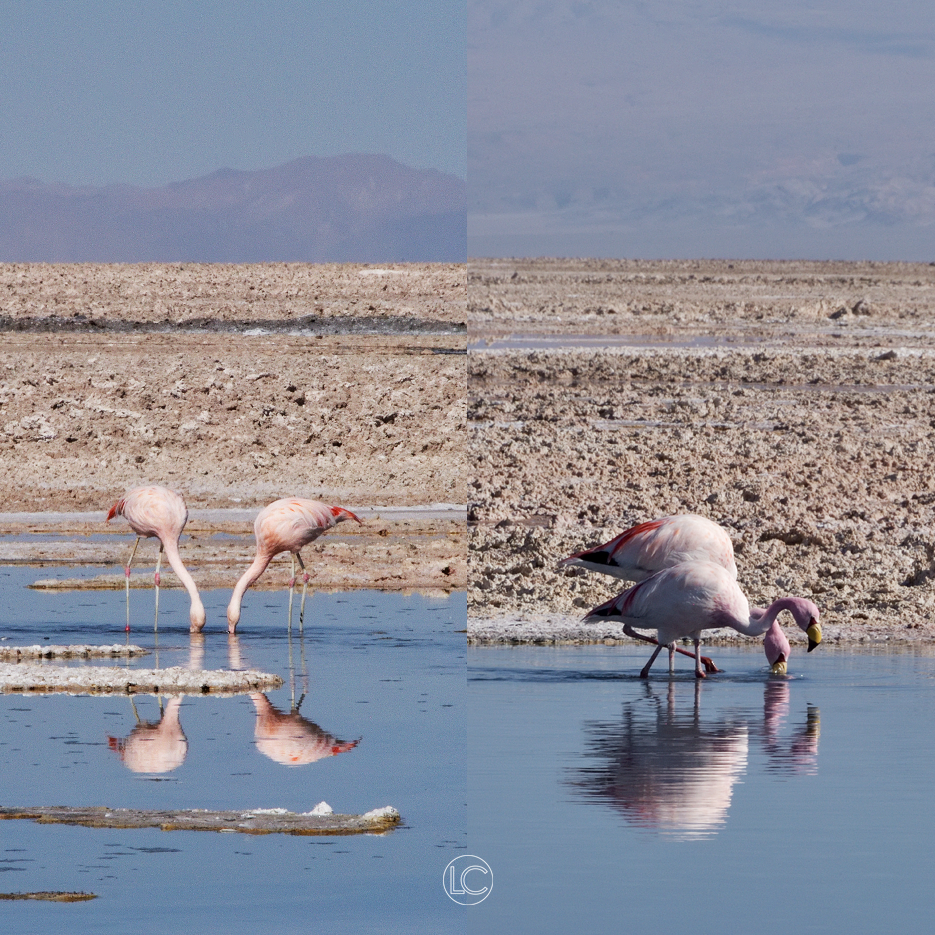
On our last morning, the group scattered to explore the desert at their own pace. A geologist and his wife left at four in the morning for El Tatio to experience the sunrise and geothermal activity at the geyser field at over 14,000 feet above sea level. Others went to Toconao for Atacameño textiles and see the great salt flat with its flamingos.
Fortunately, the wind had subsided. We reconvened for lunch south of the town, in a savannah-like grassland with an almost safari feel. Jota, the head of excursions, along with his team had put together a beautiful tent and table with a full working kitchen. As we pulled up, the somm approached our SUV with a bottle of champagne and crystal glasses in hand. Who could say no to that??
We mingled, then sat down at the table, in a U, so everyone had a view and tasted a series of Pinot Noirs from north to south in Chile with the main course. I have no idea how much time elapsed, nor how much wine I drank (my glass was mysteriously always full), yet by the time we left, we were all fairly giddy.
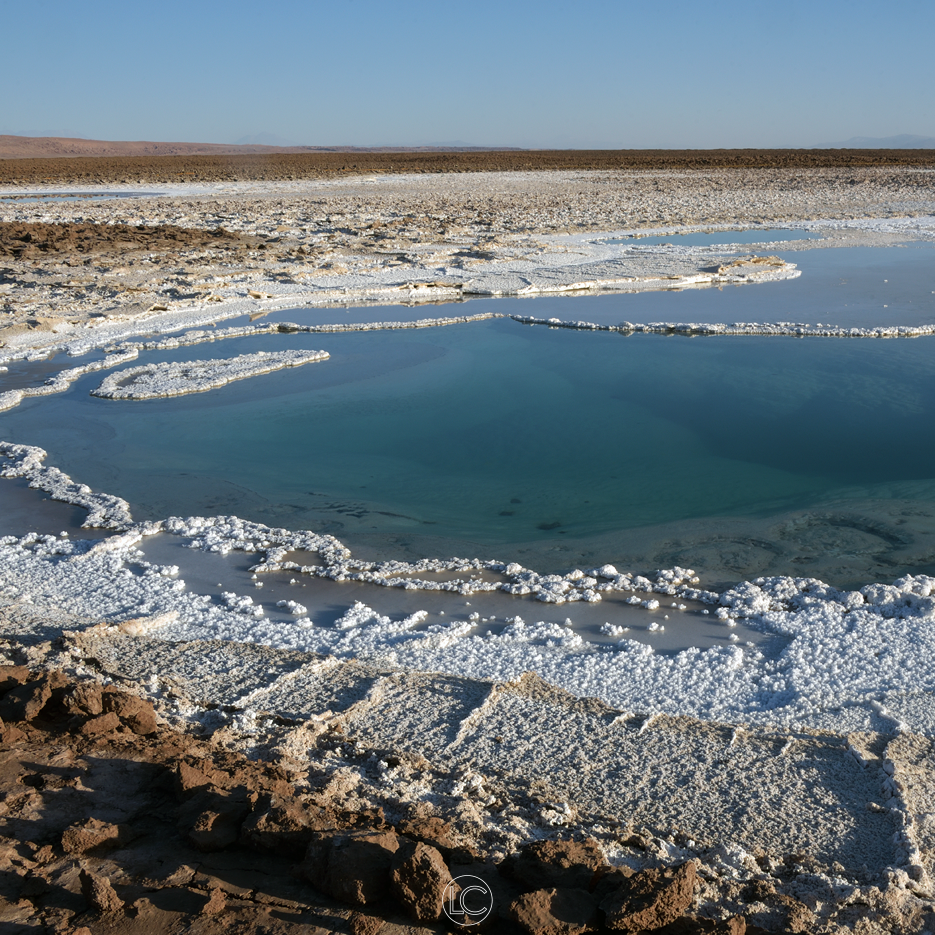
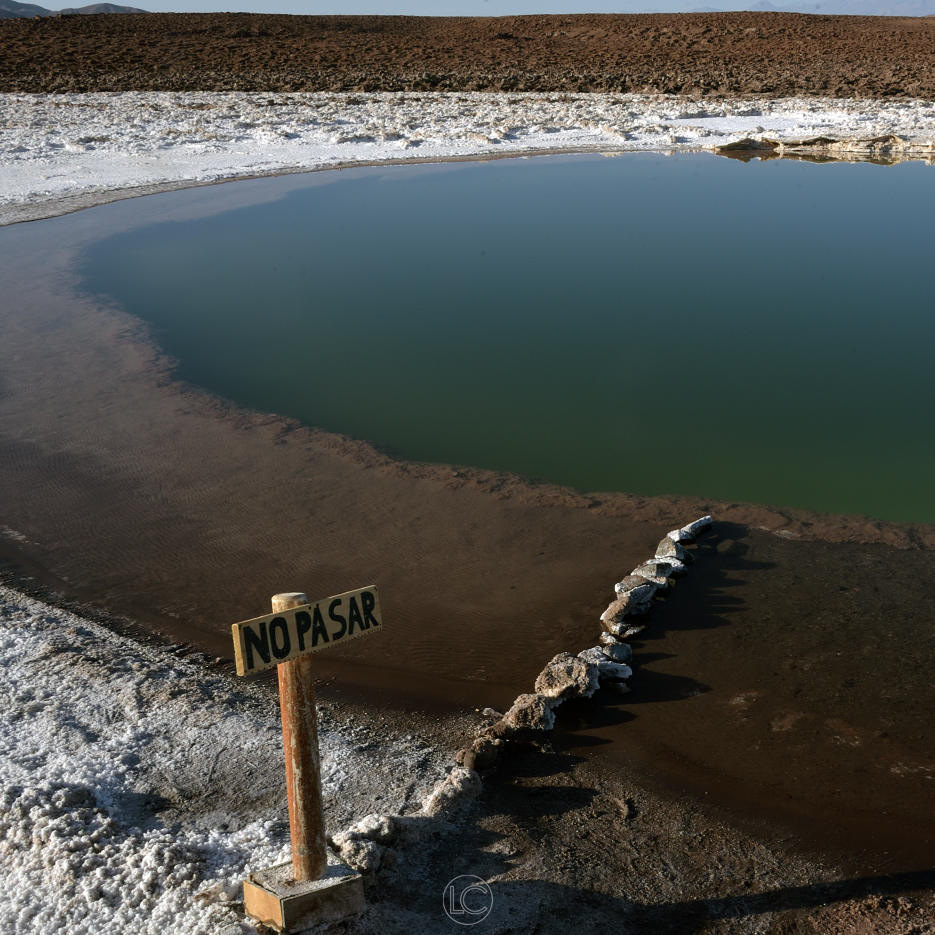
After lunch, we drove out to Baltinache, turquoise salt pools in the open desert. The drive itself was half the experience: a long, isolated desert road and a landscape so immense it felt cinematic. The salt crusts looked almost like snow from a distance and the pools themselves were a deep shade of turquoise and jade green. With a salt content as high as the Dead Sea, you bathe in the (very cold) water and your body simply does not sink. You float on top, just like a cork.
That particular afternoon, halfway there, we got word that the zonda had unexpectedly returned and the pools were closing immediately due to 100 km/h gusts. The desert had made the decision for us. We turned back to town for our farewell dinner. Leo, my guide, blared Daft Punk and we enjoyed the road trip home.
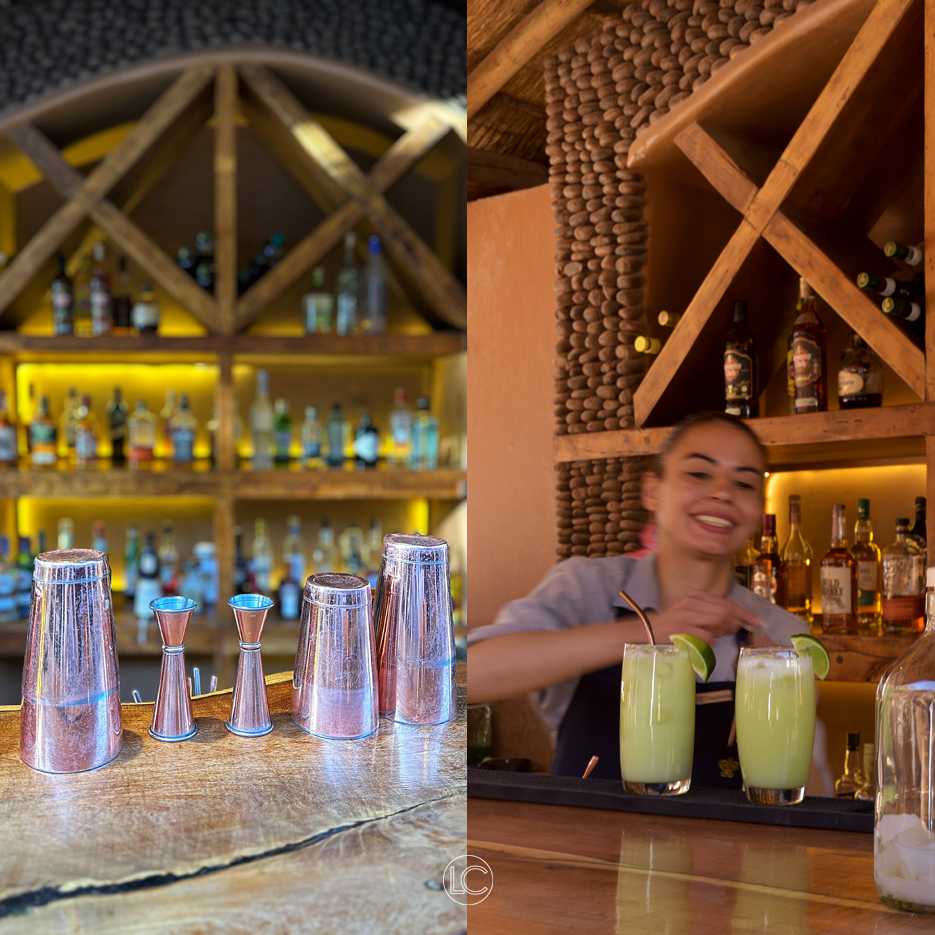
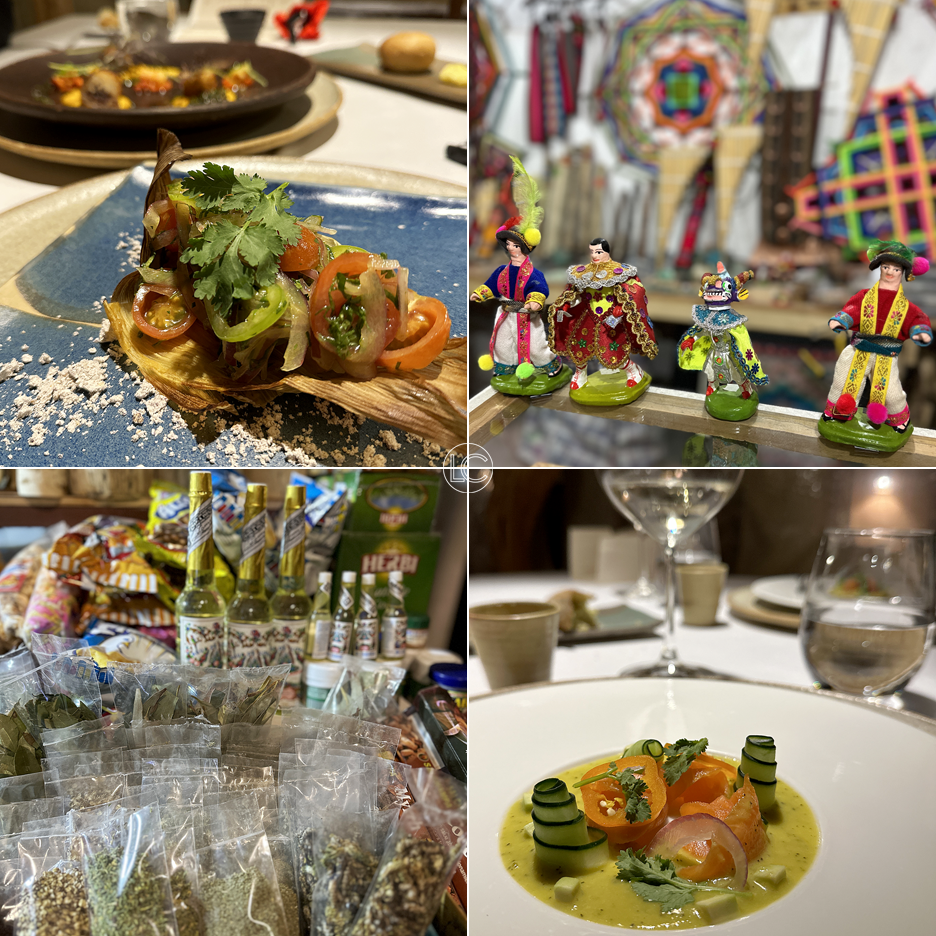
Back at the hotel and showered, I sat at the bar near the crackling fire pit and had Rommy make me a negroni with a local vermouth using Andean herbs. As he served me homemade camote (sweet potato) chips, one of the guests joined me and ordered a rica rica sour. Rica rica is an aromatic plant growing all over the Atacama that is reminiscent of thyme and used in everything from soups to sorbets to…cocktails!
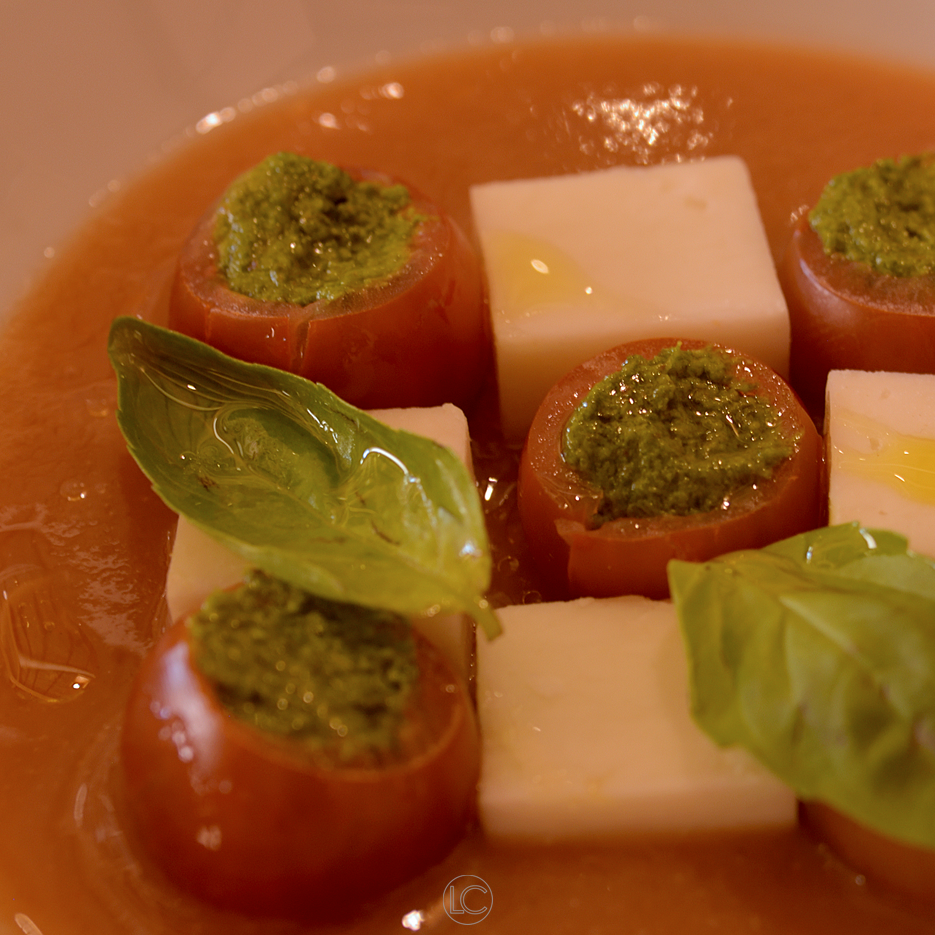
For our final dinner at Awasi, I put together a tasting of Chilean icons to pair with the tasting menu the chef had prepared. I had brought from Santiago some special library vintages and magnums, like Caballo Loco. At the end of dinner, the group, animated by the wine and conversation, asked for the chef and cooks to come out and take a bow. They had nourished us in the best way possible for three days.
Yet we weren’t done. While some people headed off to bed with our early morning departure to cross the Andes into Jujuy, Argentina the next day, half the group carried their glasses (and a couple wine bottles) onto the van to the stargazing setup outside town where there was no light pollution. Arriving at the telescopes, we were given ridiculous polar jackets to combat the near-freezing temperature that made all of us look like giant teddy bears. The Milky Way was visible with the naked eye. Looking into the telescope at the moon, in its waning stage, was almost blinding. Through another telescope, we saw Saturn with its rings along with the constellations and stars unique to the southern hemisphere. Standing there, the sheer depth of what was visible made you realize just how infinite the universe truly is.
Deserts have a way of stripping distraction away and making things obvious. There is less visual noise, less humidity, less softness, less interference between you and the landscape. The light bounces endlessly off the salt, the minerals, the mountains, and even the stars themselves. It can feel harsh and deeply energizing at the same time, and it’s expansive on a cellular level. In all the years I have been traveling to the Atacama, it’s the light I remember — or why, at least, I keep returning.
Un abrazo,
Liz